Terracotta House


Traditional Custodians: Wurundjeri people of the Kulin Nation

Location: Malvern, Victoria

Floor Area/Land Area: 240 sqm/484 sqm

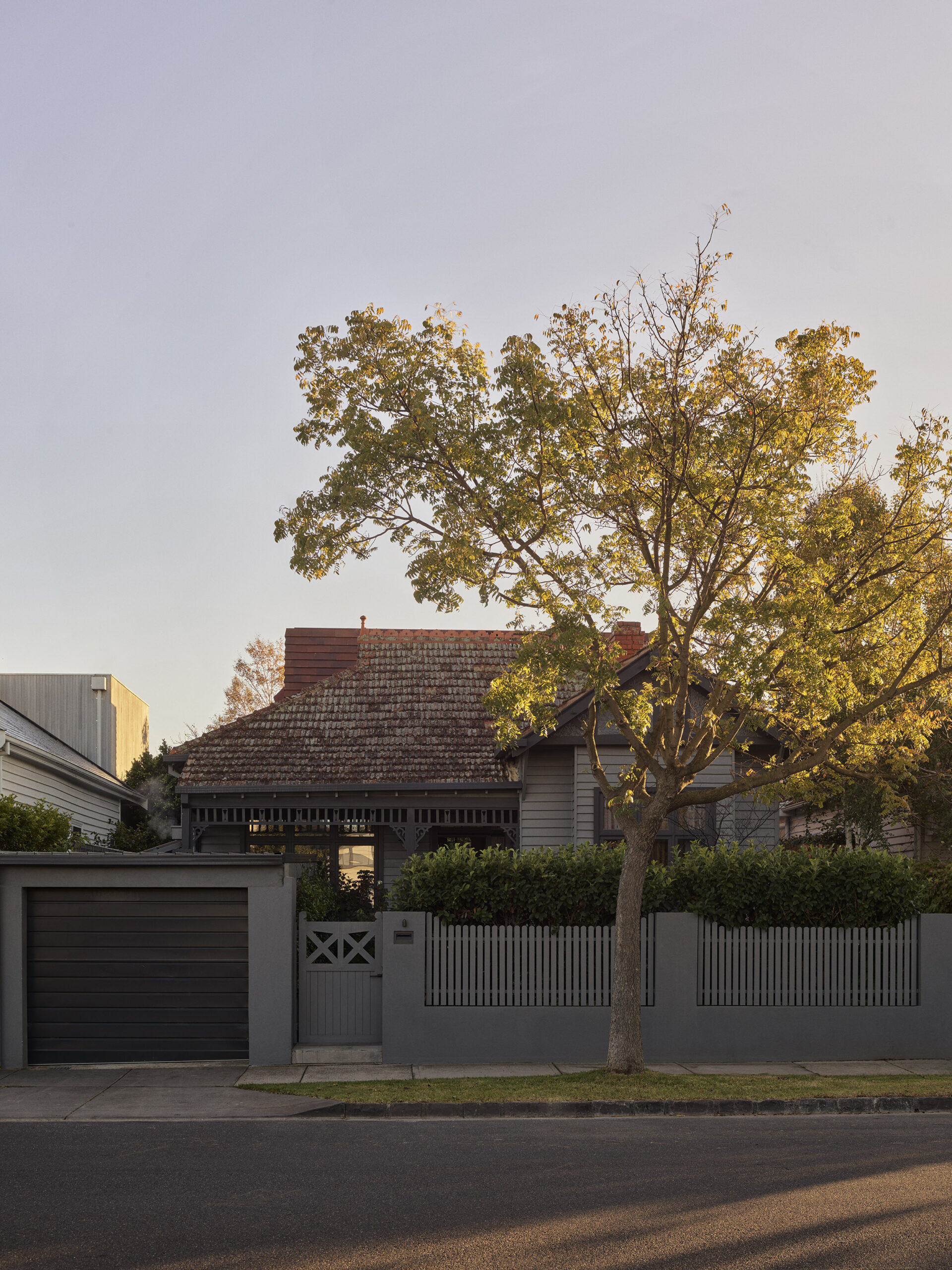
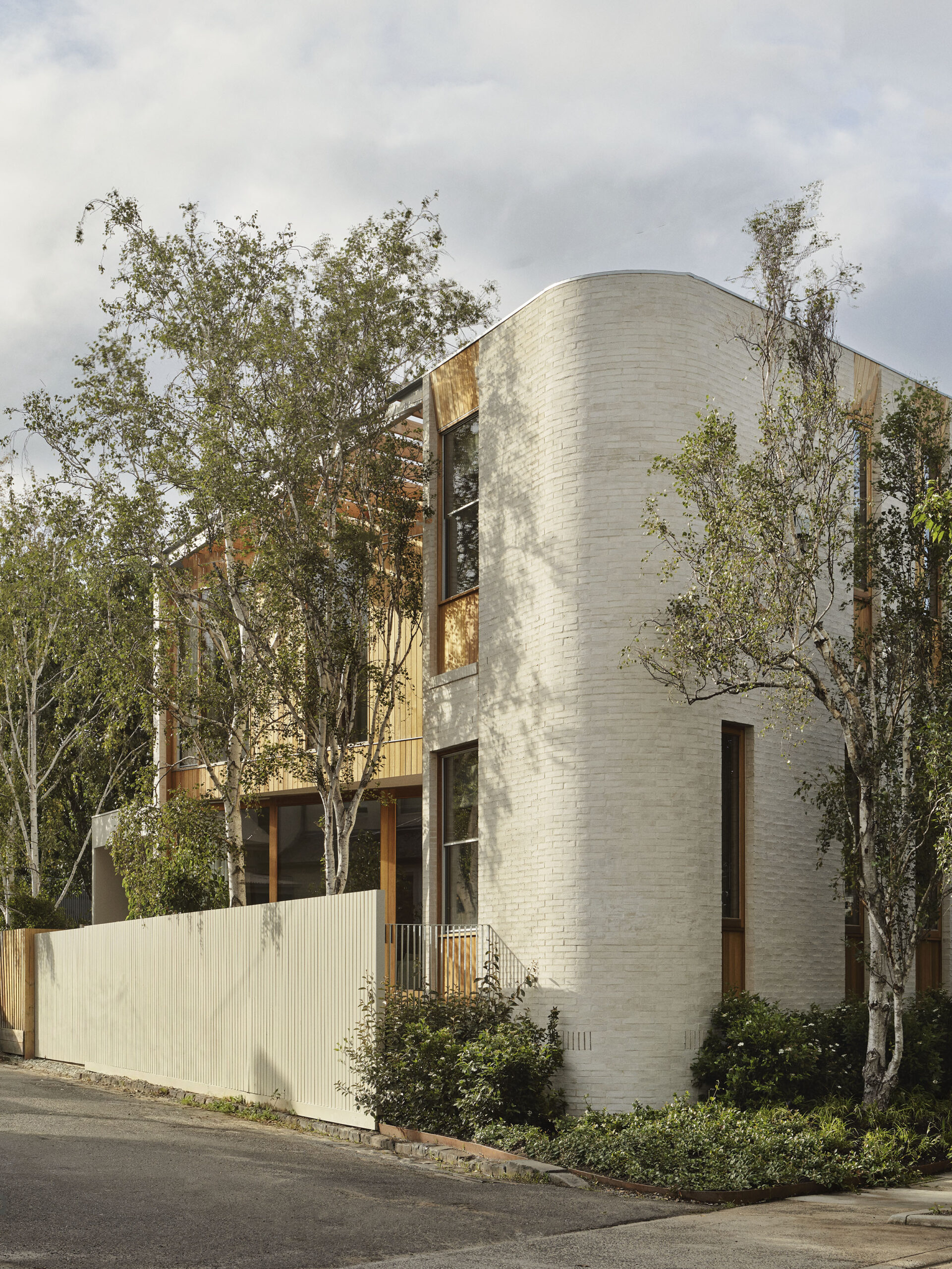
On a leafy Malvern street in Melbourne’s inner south-east, Terracotta House sits quietly behind its garden, calm, grounded and already somehow familiar. What began as a modest brief to “just add a mud room” evolved into a complete reimagining of an Edwardian home for a family of five who had recently relocated from Sydney. The result is a warm, enduring house that gives the family a place to put down roots.

“It’s a special one for us – the first that really captures both our architecture and interiors.”

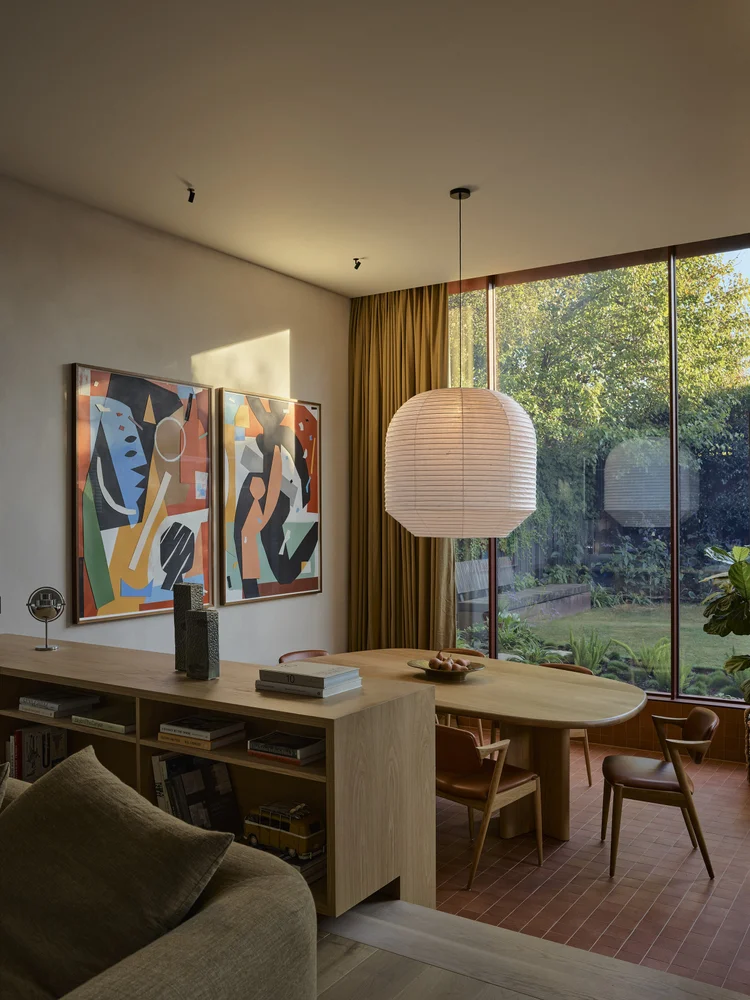
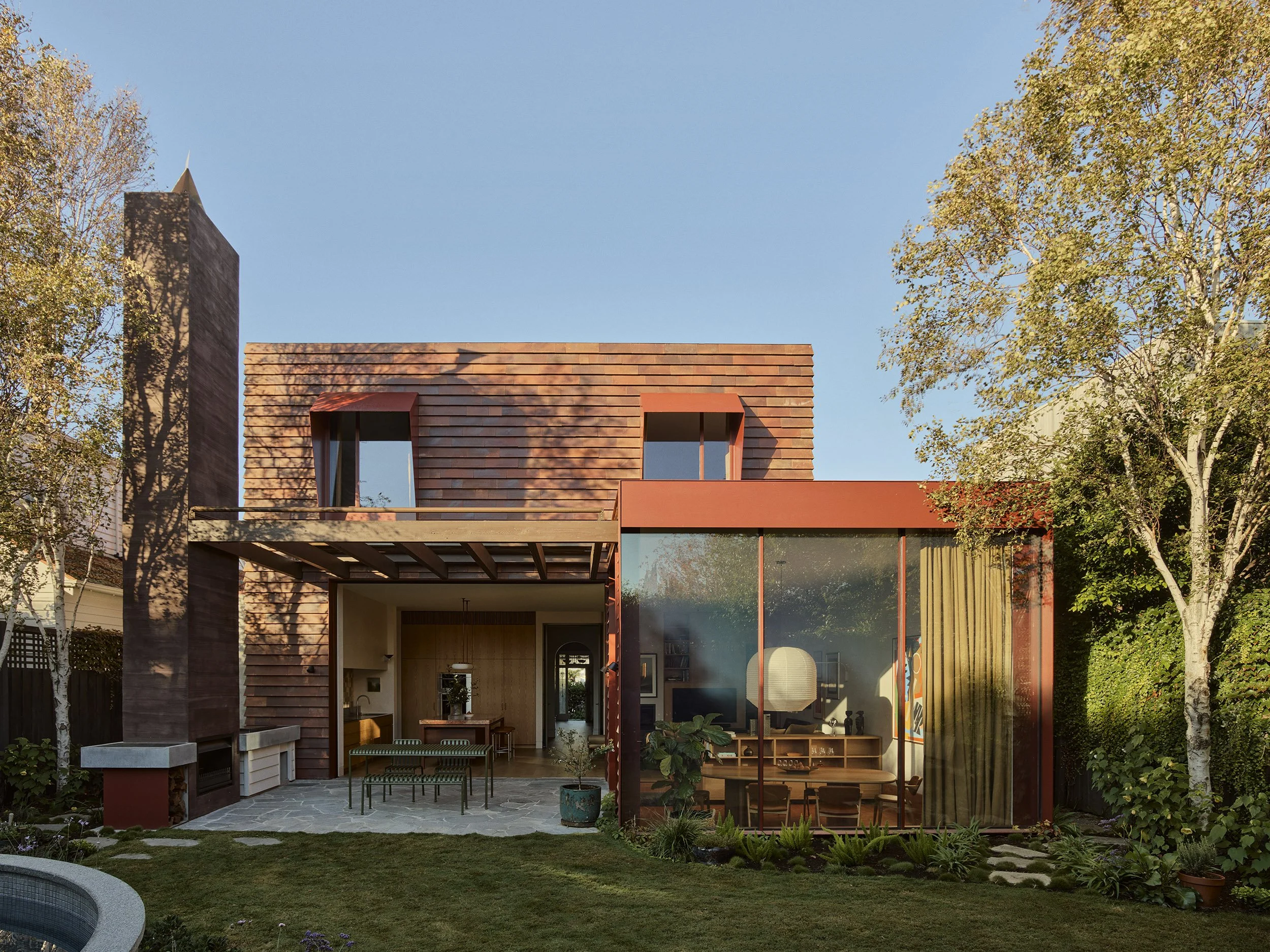
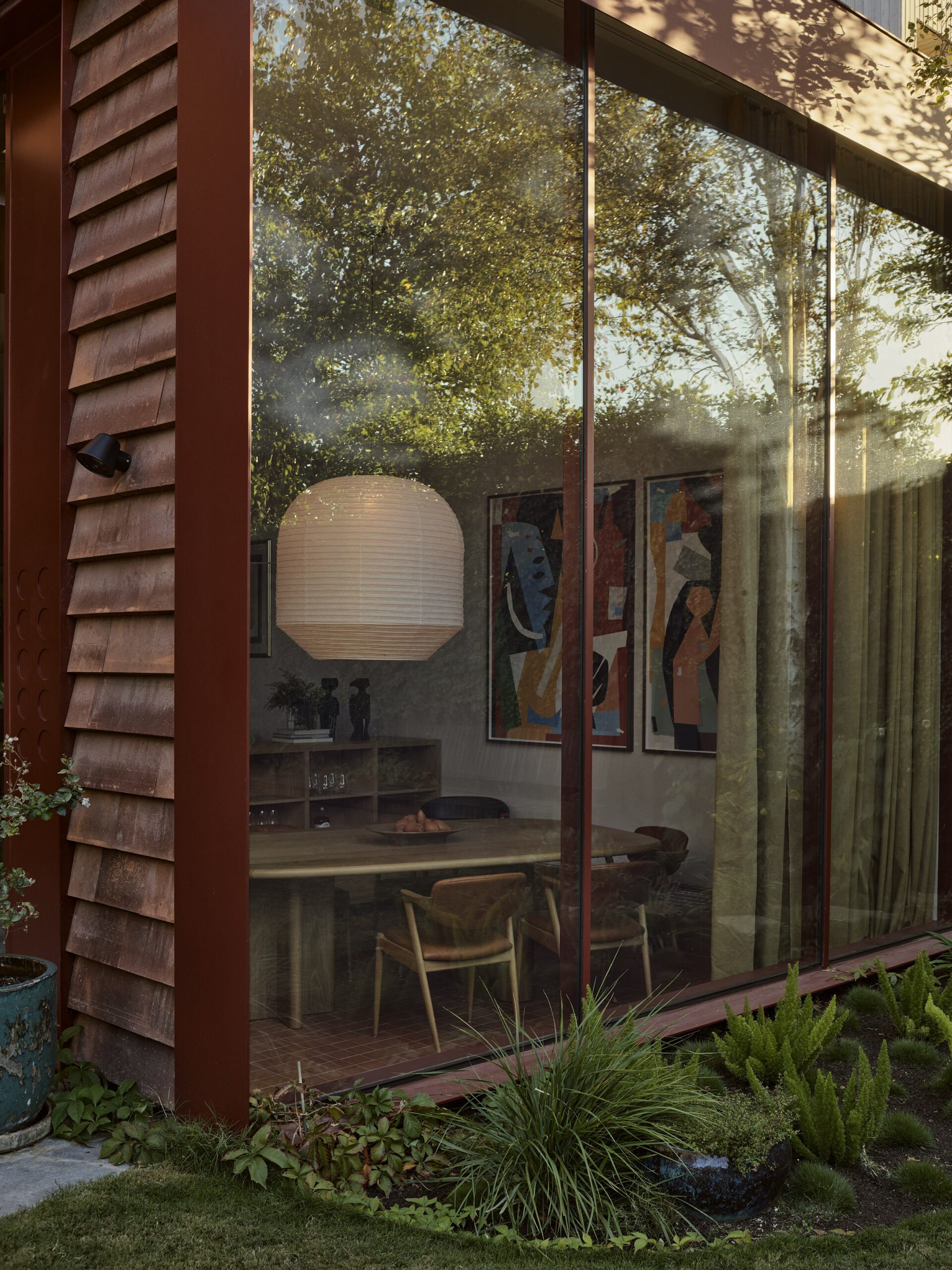
The original home, an Edwardian with a dated early-2000s rear extension, carried all the usual challenges of layered renovations. Circulation was confused, rooms bled into each other and the dining table was destined to sit awkwardly in what felt like a hallway. Rather than forcing the existing plan to work harder, we proposed one clear move: push the rear further into the garden and create a sunken dining room between house and landscape. It was a battle to get it across the line with council due to flood overlays (we fought tooth and nail to get it sunk), but the payoff is significant. From the living room, the lowered dining space drops out of view so the eye travels straight to the garden; the architecture recedes in favour of outlook and light.

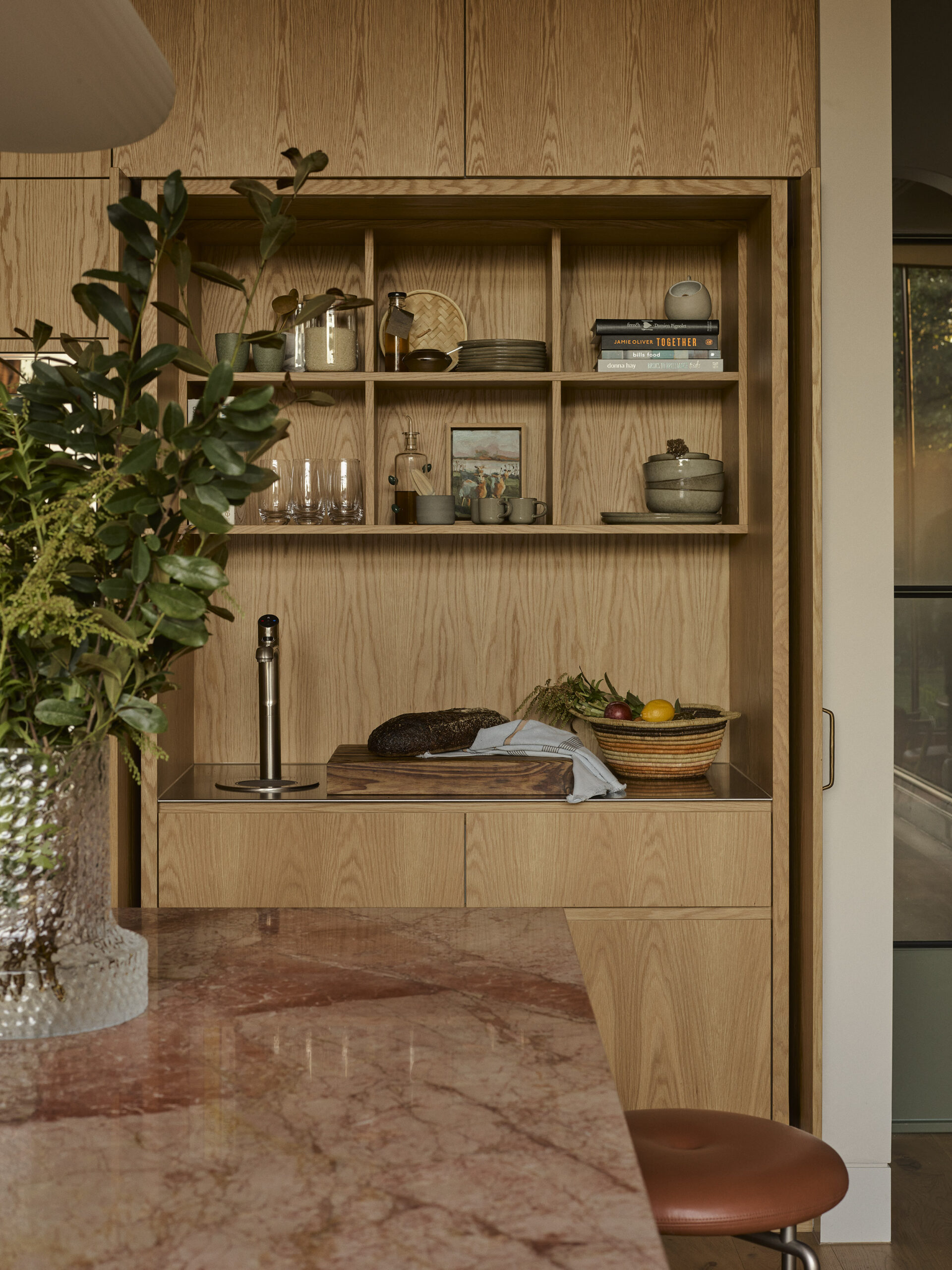
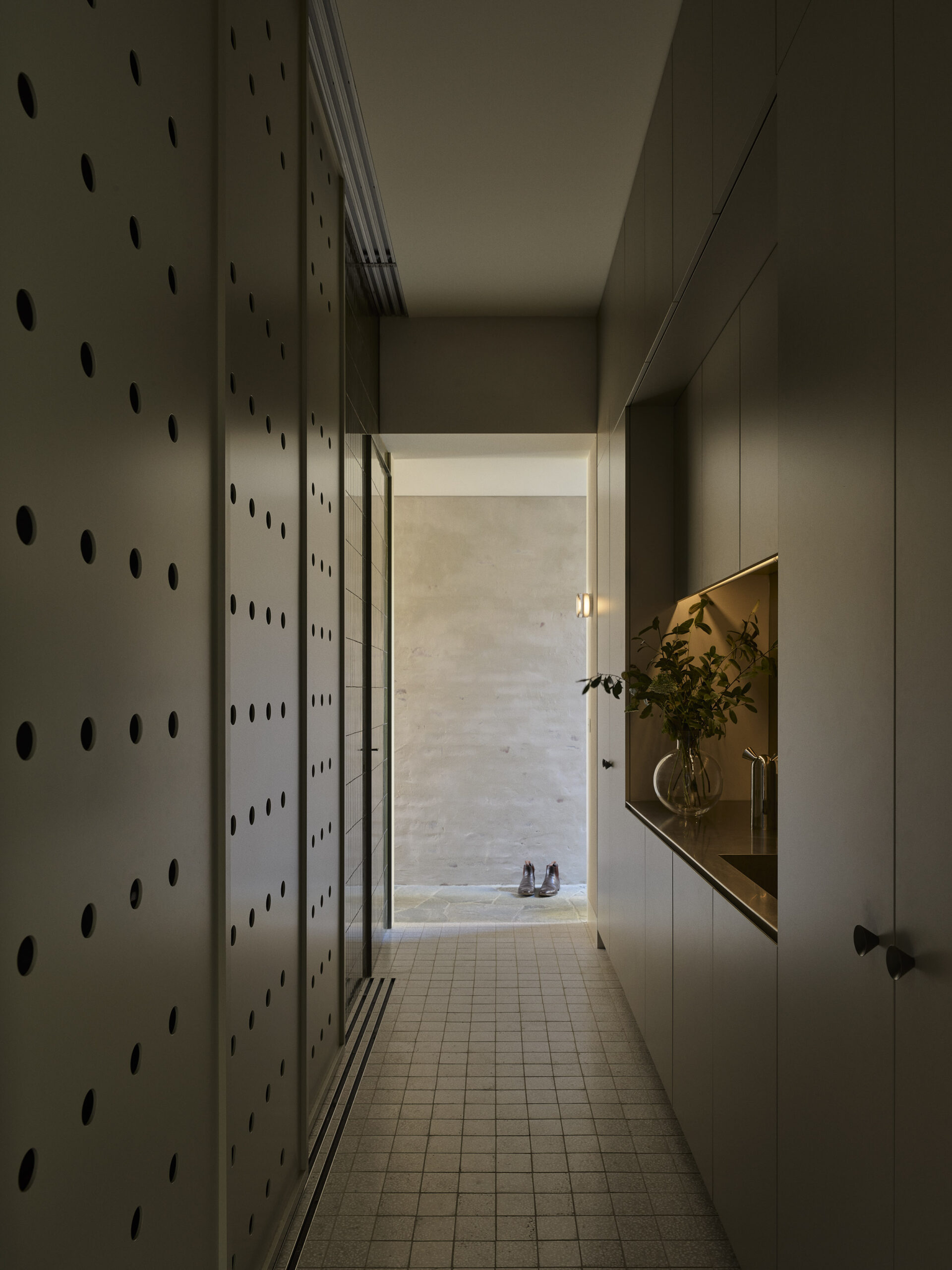
This sense of clarity carries through the ground floor. A custom sideboard runs along the shared living and dining space, working hard as bookcase, dry bar and storage while also becoming a place to gather “little artefacts of life”. Large steel-framed doors stack into pockets and open with a zero-threshold transition to the garden terrace, allowing everyday life to spill easily outside. The aim was for the house to feel effortless to use, simple to move through, easy to keep tidy and generous enough to absorb the rituals of family life without ever feeling precious.

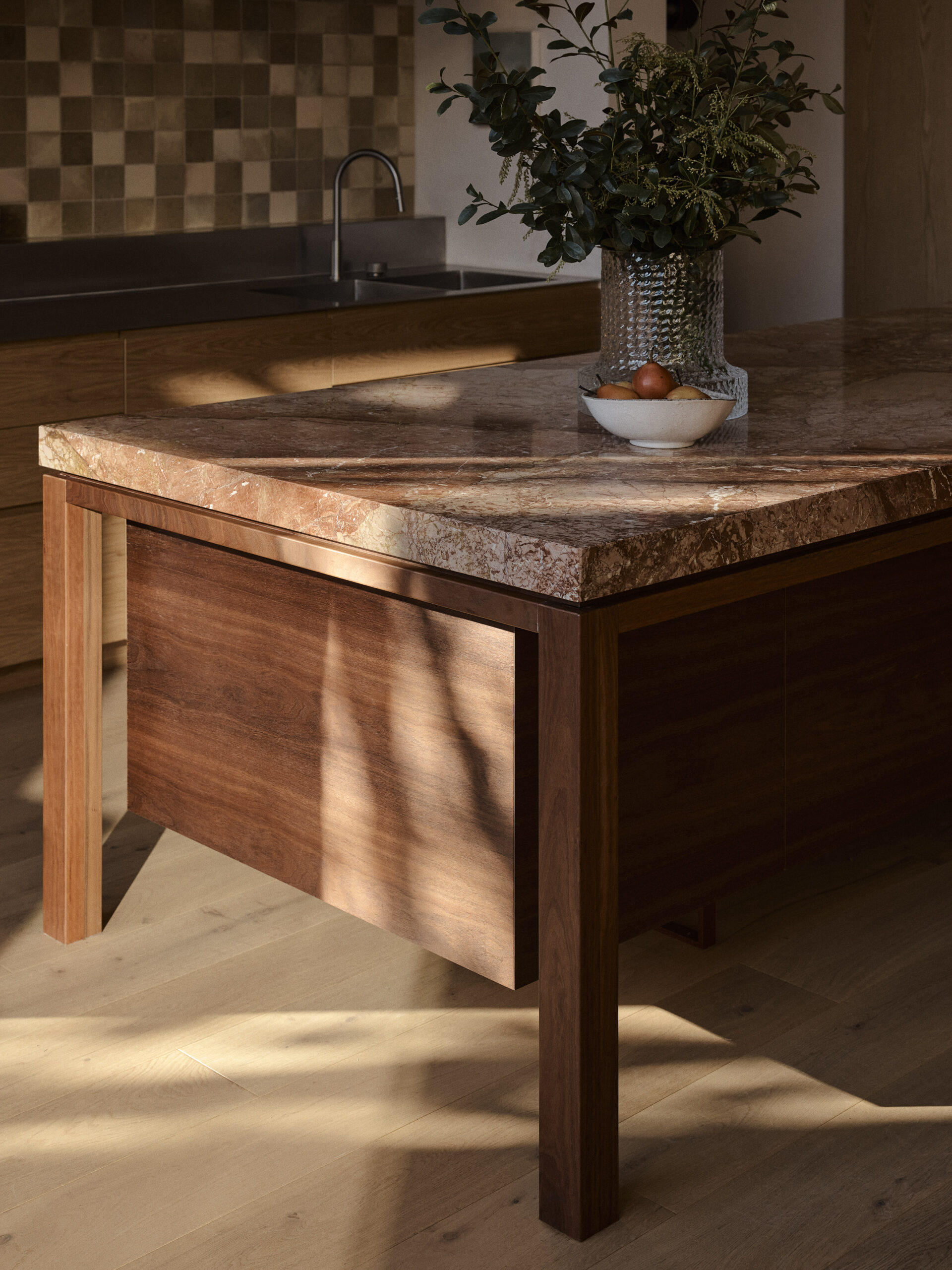
Materially, the house is anchored in the clients’ histories. Both grew up in farming communities in rural New South Wales, and we wanted to bring a quiet echo of those landscapes and houses into their Melbourne life. The kitchen island embodies this most clearly. From the very first meeting it existed as an idea – a robust farmhouse kitchen table around which family life could orbit – and it gradually resolved into a crafted island bench, with timber detailing and softened edges. It forms the true heart of the home, a place for cooking, homework, morning coffee and late-night conversation all at once.

“The kitchen bench reflects a robust farmhouse kitchen table around which family life could orbit”

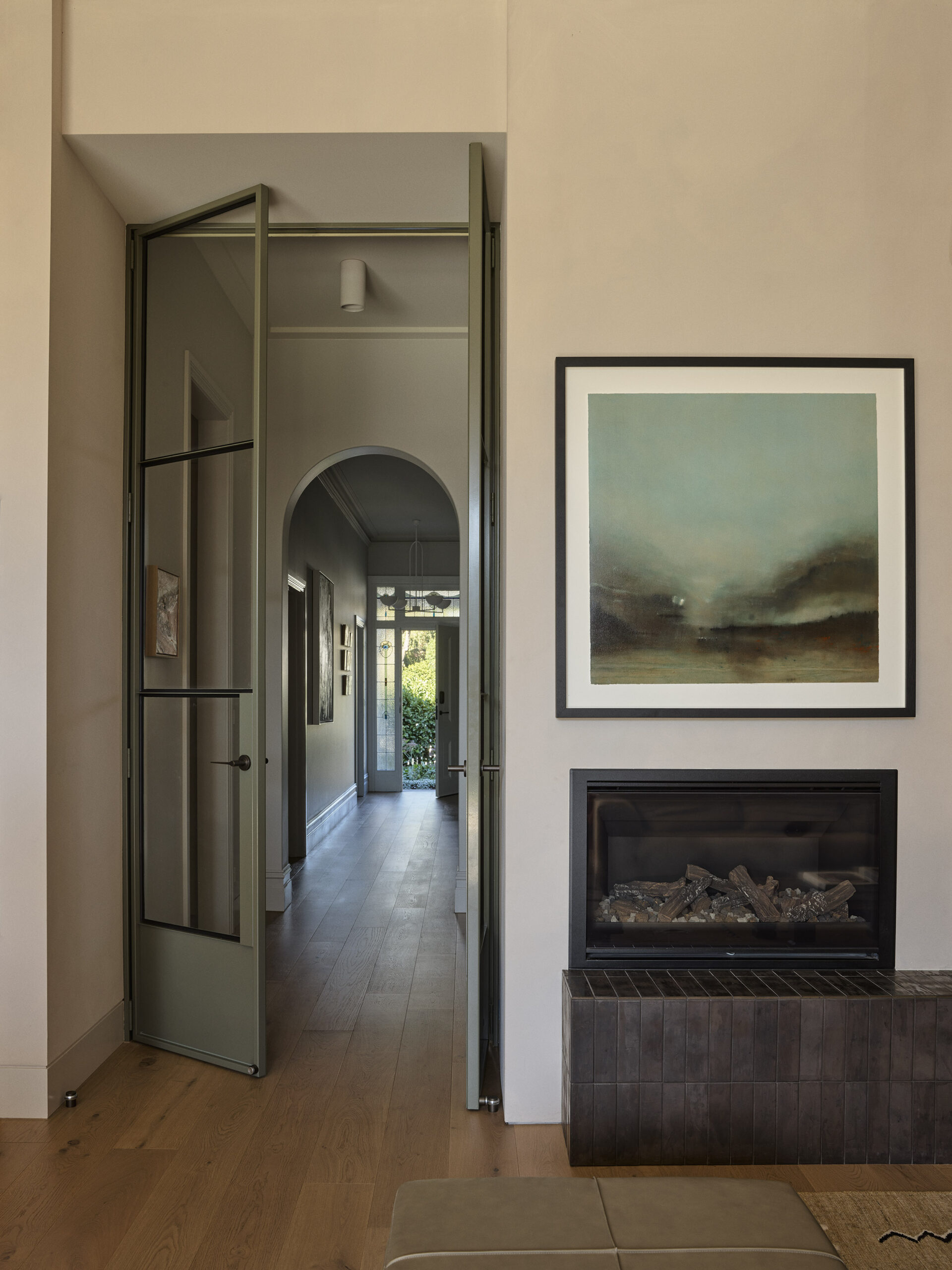
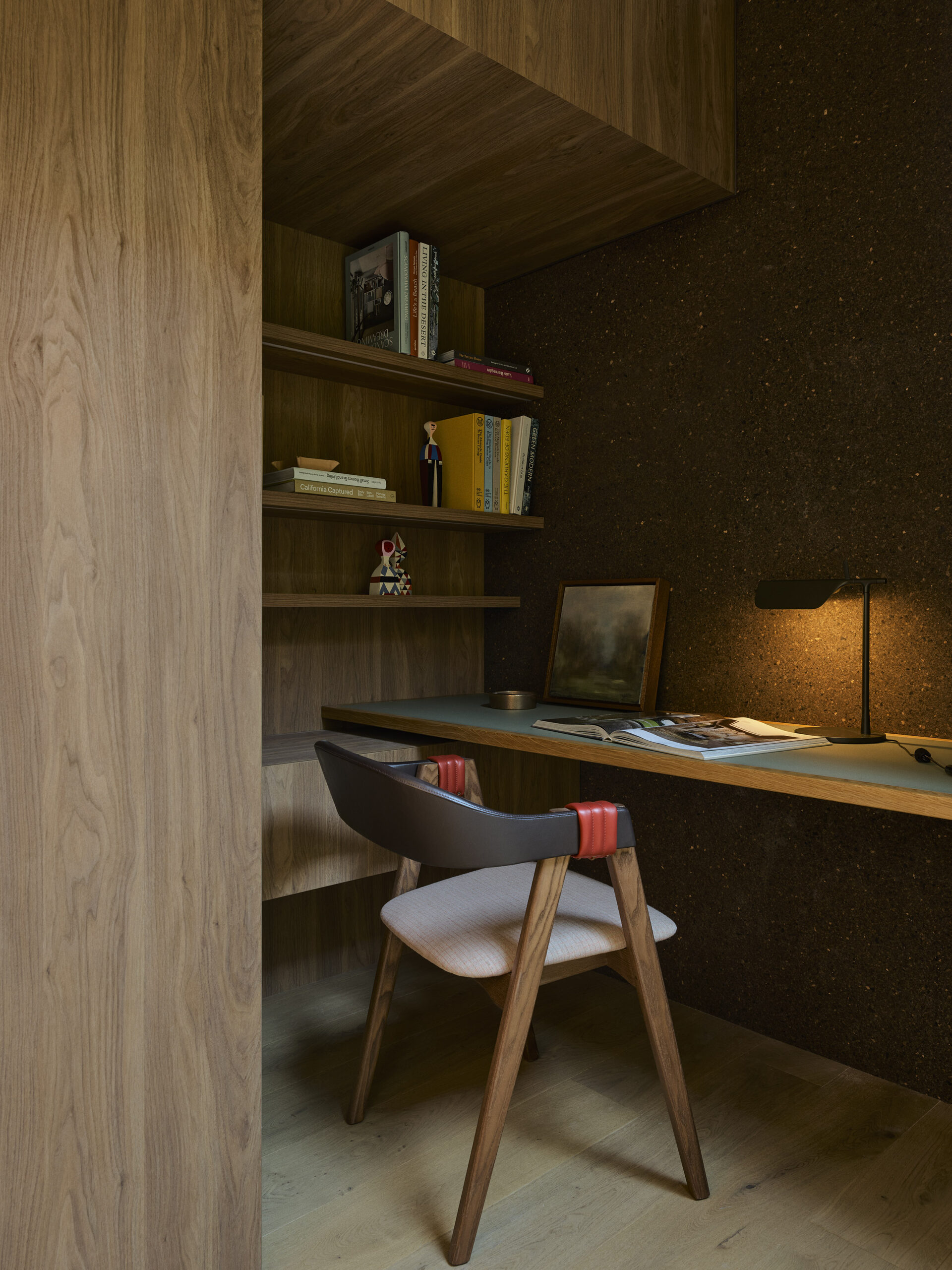
Throughout the interiors, reclaimed, custom and existing pieces are layered so the house feels evolved rather than decorated in a single moment. We wanted to blur the line between what is new and what was always there: old timber alongside new joinery, familiar silhouettes reinterpreted in a contemporary way. Our hope is that you can’t immediately see where the project starts and stops, only that it feels cohesive and calm

“Good architecture should speak to its time; you shouldn’t mimic the past or predict the future – a home should feel of its moment”.

Terracotta becomes the linking element between old and new. The original roof retains its water-worn terracotta tiles, while the new rear addition is wrapped in SK1N terracotta shingles from Brickworks – cut on site with a custom jig to achieve crisp, finely tuned junctions. The intention was not contrast, but conversation. The two roofs are “different dialects of the same language,” responding to a street full of terracotta while giving the new work its own subtle identity. In time, we expect the shingles to soften and patina, settling further into the neighbourhood so the house feels like it could have been there for one year or 100.

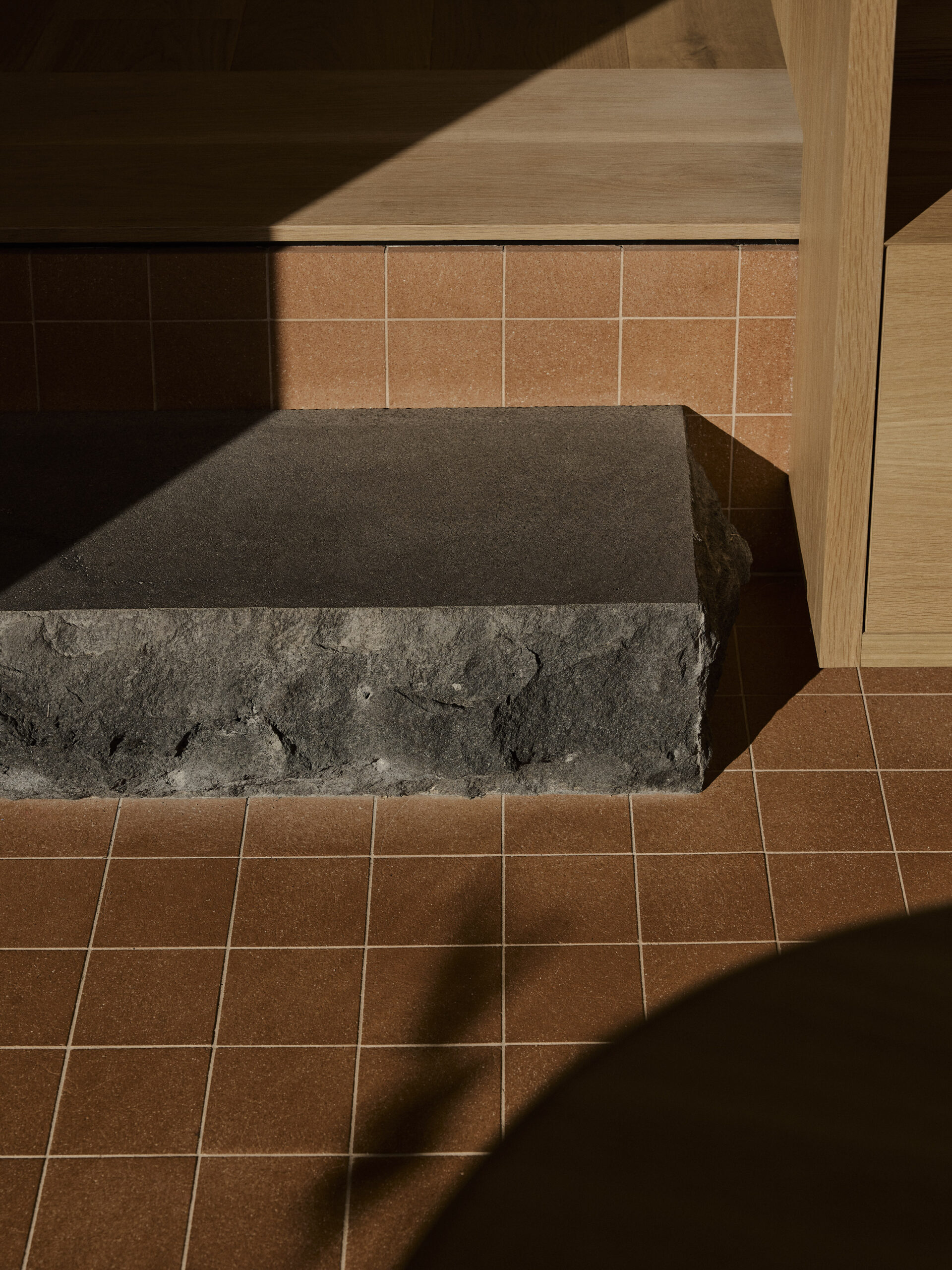
Robustness and longevity sit behind every decision. The exterior materials are low maintenance and forgiving; inside, finishes have been selected to welcome the inevitable bumps and scuffs of family life rather than resist them. Terracotta, timber, stone and painted surfaces will all wear in rather than wear out. The home is all-electric, supported by solar PV and an EV charger, quietly future-proofing the family’s daily routines without making a feature of the technology.

The garden is treated as an extension of the living spaces rather than an afterthought. A previously oversized, underused pool was replaced with a smaller plunge pool and larger lawn, framed by soft planting by Ben Scott Garden Design. The backyard is now a place to sit, watch the kids play and enjoy the northern light, instead of a space dominated by water and hard surfaces. Throughout, we resisted an overly slick, contemporary expression. There is a deliberate tactility to the house – a sense that it belongs to the same lineage as the early 20th-century homes around it, even as the plan and detailing are quietly contemporary.

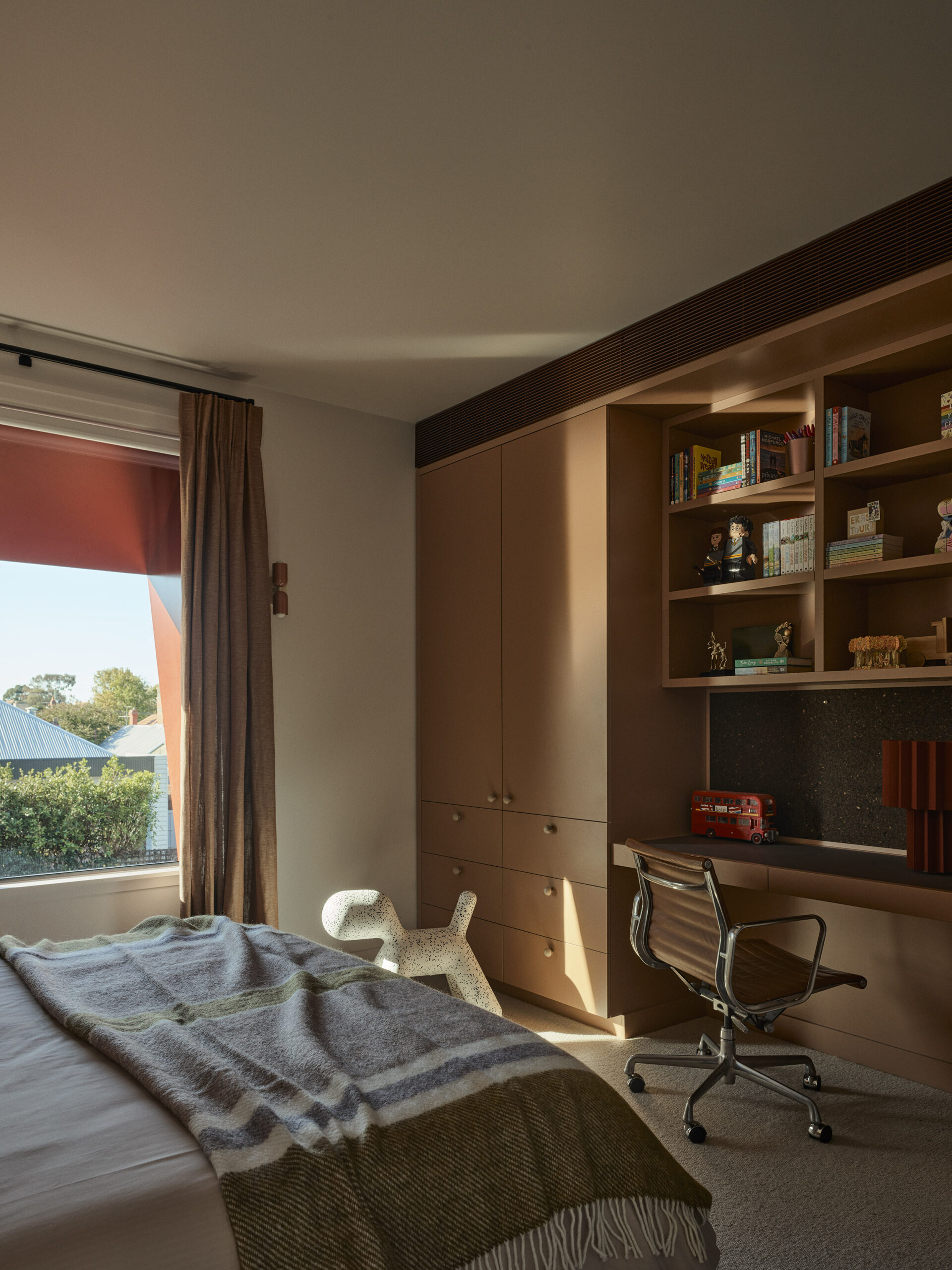
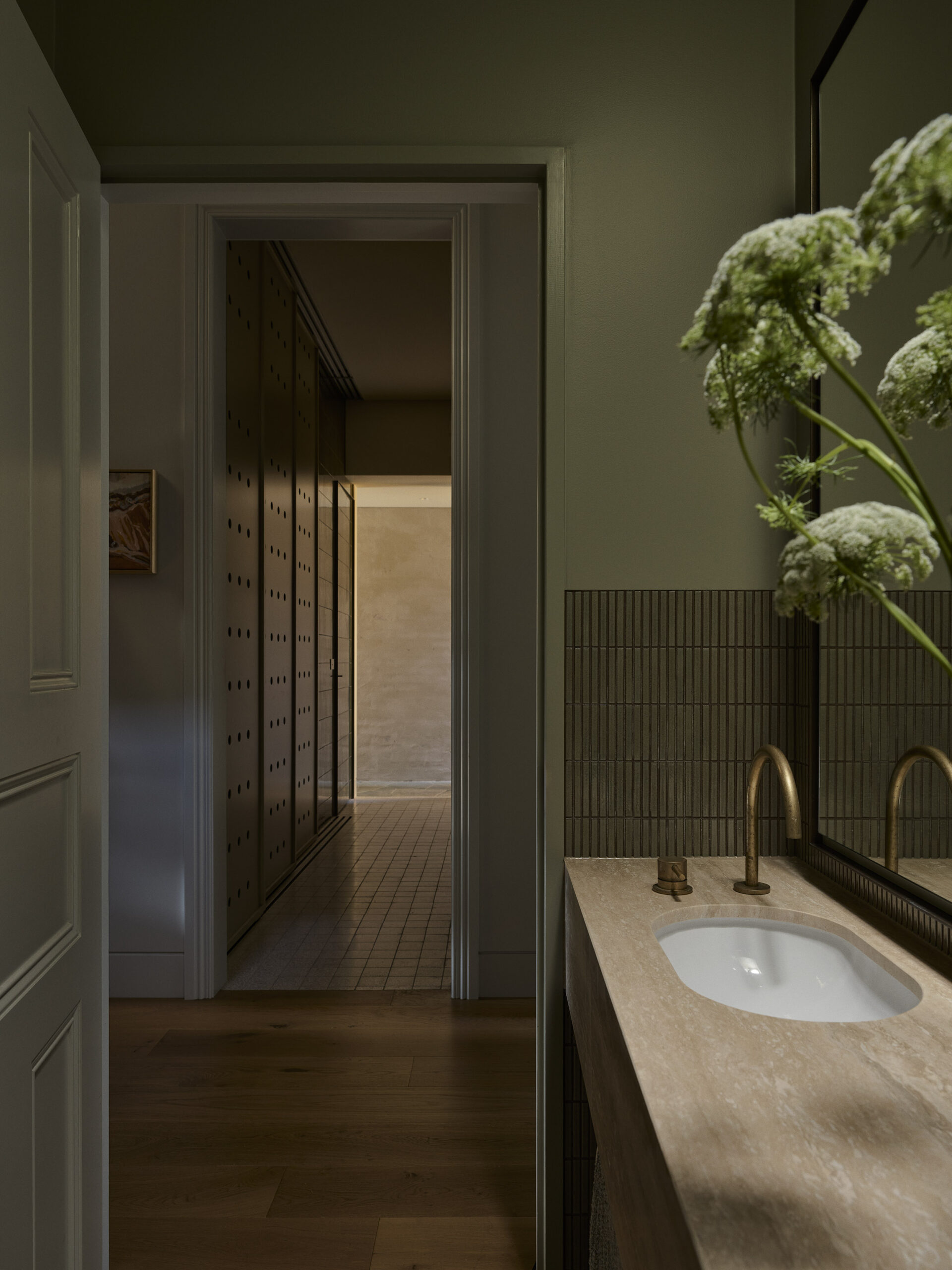
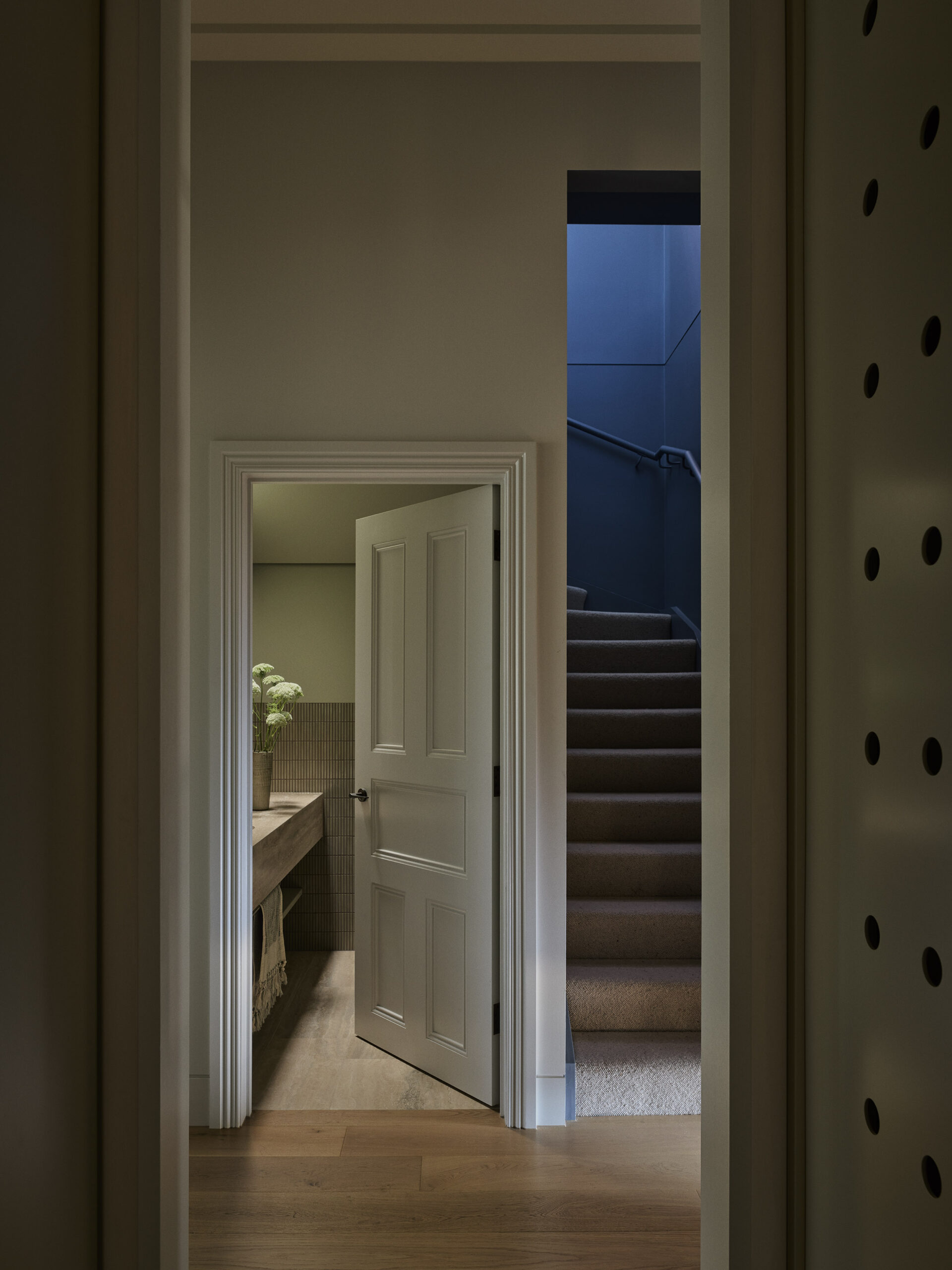
Upstairs, the planning is tuned to suit both present and future. A redundant upstairs living area was enclosed to create a third bedroom so that each child now has a space of their own, including a powder room attached to their daughter’s room. The arrangement is compact but flexible, allowing the house to adapt as the children grow and the way the family lives shifts over time.

Perhaps the most meaningful transformation sits underneath the bricks and shingles. When we first met the clients, the house didn’t yet feel like theirs – the move from Sydney still felt temporary, the connection to the street and community uncertain. Now, they tell us they love their neighbours, the area and the schools, and that “we’ve finally got the house that feels like home.” For us, that intersection of architecture and empathy is the point. Terracotta House could not exist in quite this way for any other family or on any other site; it is shaped by a particular tapestry of personal history, context and memory.

“we’ve finally got the house that feels like home”

It was the clients’ unique story, woven through the specific character of this Edwardian house, that ultimately yielded this response.

Featured In:

The Local Project - Issue 19
The Local Project - Video

Builder: BFC Built

Photography: Anson Smart

Get in touch.